

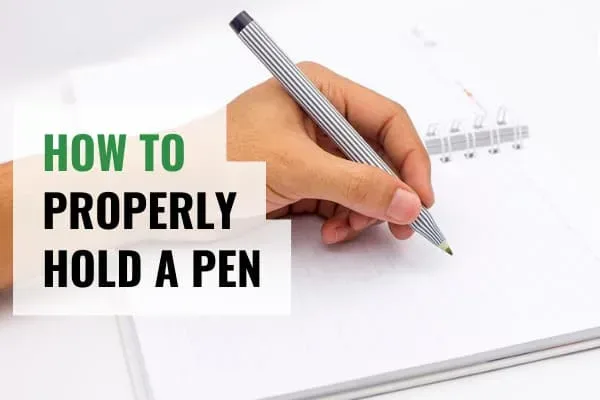
Comment tenir un stylo pour écrire vite et bien
Writing neatly and quickly is a valuable skill for students, professionals, and anyone who needs to take notes efficiently. Many people struggle with messy handwriting or hand fatigue, which often comes from incorrect pen grip and posture. The good news is that by making a few adjustments to how you hold your pen and position your body, you can significantly improve both neatness and speed.
In this detailed guide, we’ll explore the best ways to hold a pen, recommended grips, posture techniques, and additional strategies to help you write more clearly and efficiently.
The Importance of a Proper Pen Grip
Your handwriting depends heavily on how you grip your pen. A poor grip can cause tension, slow you down, and make your letters inconsistent. On the other hand, the right grip gives you better control, smoother strokes, and less strain.
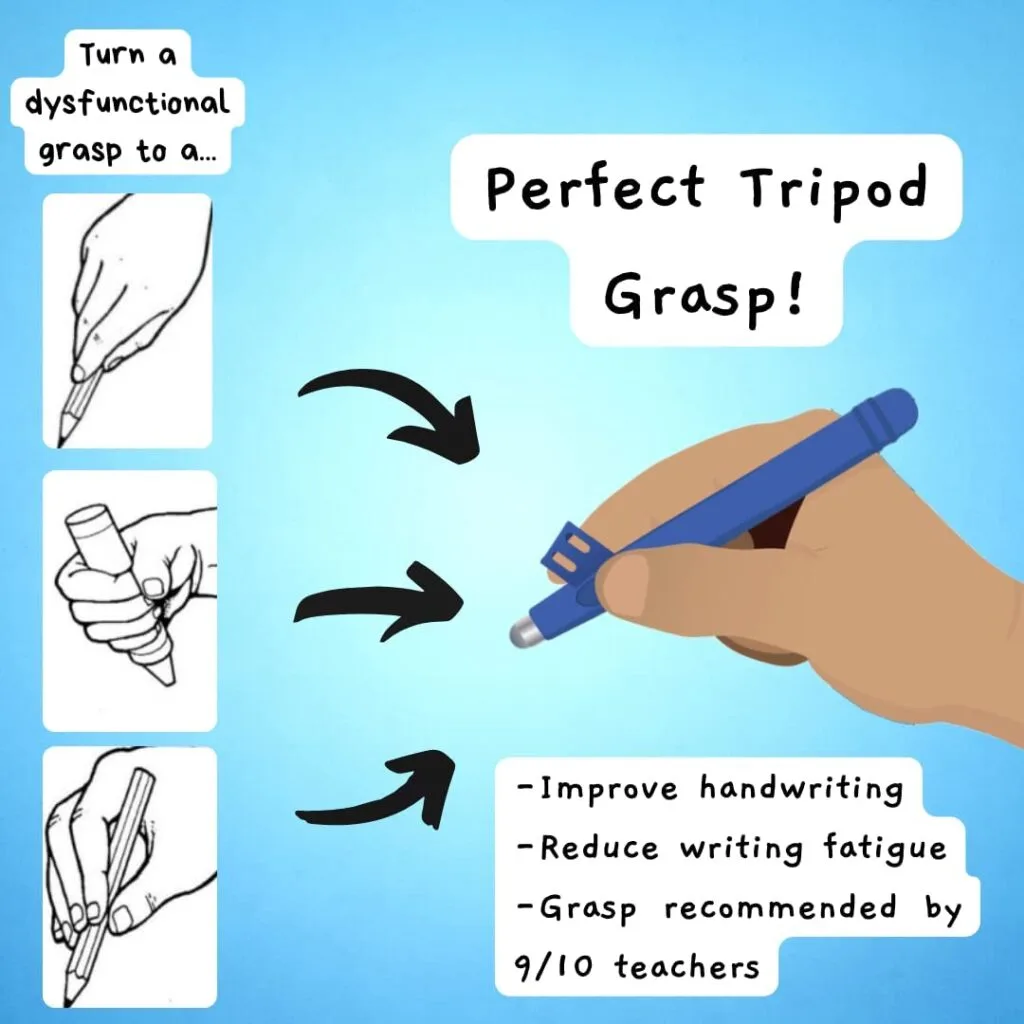
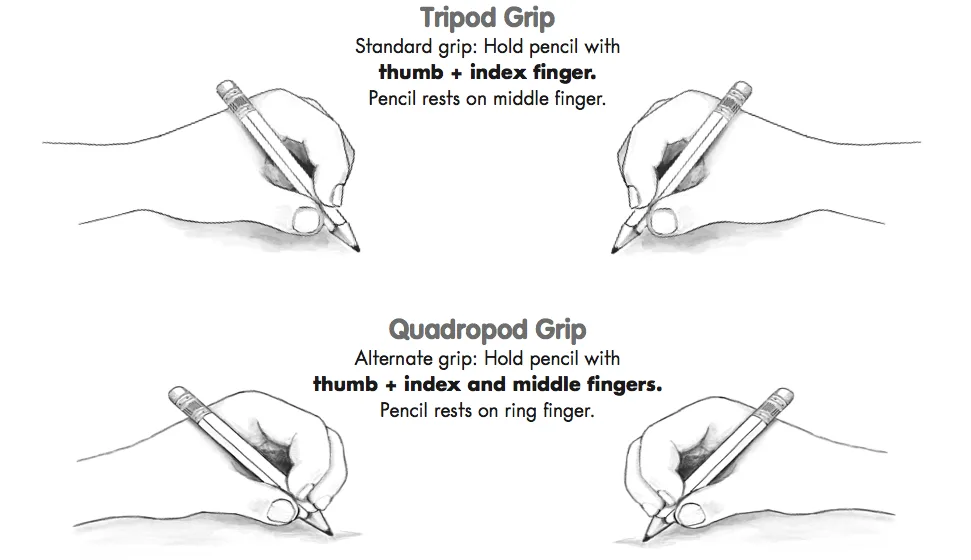
Here’s the most recommended grip for neat and fast writing:

This illustration shows the tripod grip, where the pen rests on the middle finger while being supported by the thumb and index finger. This is considered the gold standard for handwriting.
How to Hold a Pen Correctly
Place the pen between your thumb and index finger.
Let the pen rest lightly on the side of your middle finger.
Keep the grip relaxed but steady, avoiding tension.
Hold the pen about 1–2 cm above the tip to maintain visibility and control.
By mastering this position, you’ll notice a natural flow in your writing without excessive effort.
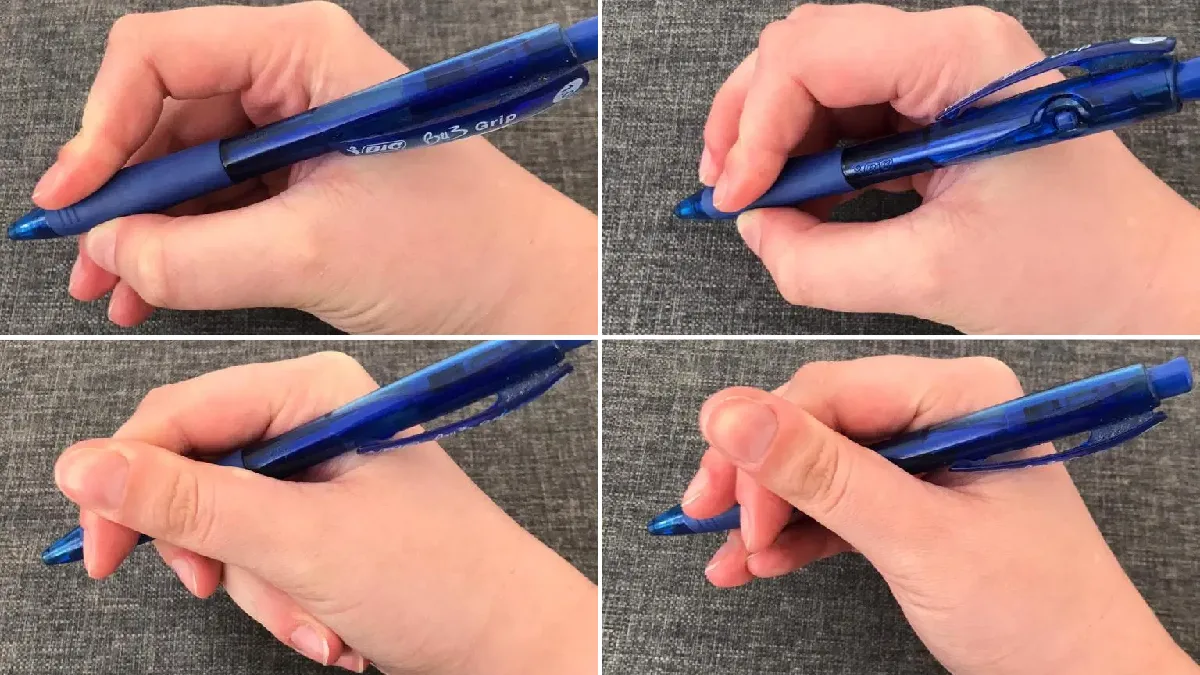
Choosing the Right Pen
Not all pens are created equal. The type of pen you use plays a big role in how neat and fast you can write.
Wider barrels reduce strain and encourage a looser grip.
Gel pens and rollerball pens glide more smoothly, requiring less pressure.
Stylos à bille last longer but sometimes require more force, which can slow you down.
A comfortable, smooth-flowing pen allows your hand to move freely, improving both speed and handwriting clarity.
Correct Posture for Writing
Your body position is just as important as your grip. Without proper posture, even the best grip won’t give you lasting comfort.
Sit with your back straight and shoulders relaxed.
Keep your feet flat on the floor.
Position your elbows at 90 degrees on the table.
Angle your paper at 30–45 degrees depending on whether you’re left- or right-handed.
A stable posture minimizes fatigue and helps you maintain neatness throughout long writing sessions.
Tips for Writing Neatly and Quickly
Here are proven strategies to improve handwriting speed without sacrificing legibility:
Reduce letter size slightly for quicker strokes.
Write with your forearm and shoulder, not just your fingers, to avoid cramping.
Maintain consistent spacing between words and letters.
Control pen pressure—too hard causes smudges and fatigue, too light sacrifices visibility.
By combining these habits with a proper grip, you’ll find your writing not only faster but also easier to read.
Common Mistakes to Avoid
Gripping too tightly → leads to pain and slower writing.
Holding the pen too close to the tip → blocks visibility of letters.
Writing with finger-only movement → causes messy handwriting and cramps.
Using the wrong pen → increases strain and makes writing uneven.
Awareness of these mistakes helps you correct them quickly.
Practicing for Better Handwriting
Improvement comes with practice. To get better results:
Spend 5–10 minutes daily practicing your grip.
Write simple sentences, alphabets, or journal entries focusing on neatness.
Try copying text at a controlled pace before gradually increasing speed.
Consistency is key. With time, neat and fast writing will feel natural.
FAQs About Writing Neatly and Quickly
What is the best grip for neat handwriting?
Le tripod grip is the most recommended for control, comfort, and speed.
Why does my hand hurt when writing?
Hand pain often comes from gripping too tightly or using too much pressure. Switching to a relaxed grip and smoother pen can help.
Can writing posture affect handwriting speed?
Yes. Proper posture reduces fatigue and keeps writing fluid. Poor posture often leads to slower, messier handwriting.
Which pens are best for neat writing?
Gel pens and rollerball pens usually offer smoother ink flow, while pens with wider barrels encourage a more relaxed grip.
How long does it take to improve handwriting?
With consistent daily practice, noticeable improvements can be seen in 2–4 weeks.
Is cursive faster than print handwriting?
Yes, cursive can be faster because letters connect seamlessly, reducing pen lifts.
Réflexions finales
Learning how to hold a pen to write neat and fast is about combining the right grip, posture, and practice habits. Start by adjusting your grip to the tripod method, choose a pen that feels comfortable, and maintain a relaxed body position. With consistent practice, you’ll not only write faster but also enjoy handwriting that’s easier to read.