

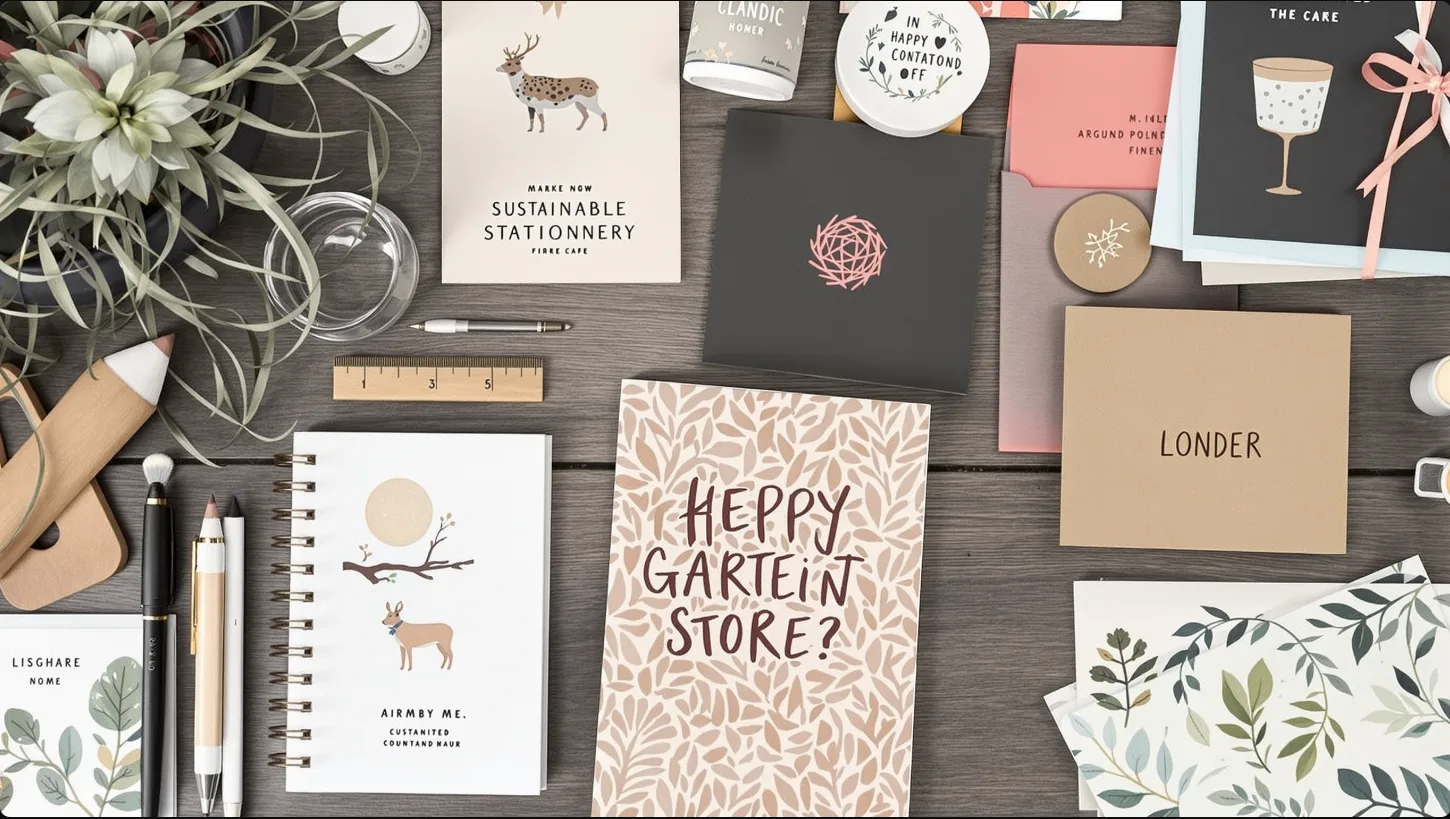
10 Powerful Reasons Sustainable Stationery Is the Future of Retail
Eco-Friendly Stationery That Redefines Retail Sustainability. Explore our beautifully crafted sustainable notebooks, eco stationery sets, and recycled paper planners designed for conscious retailers and green-minded consumers.
Why Sustainable Stationery Is the Future of Retail
In today’s retail landscape, sustainability is no longer optional—it is a priority. Consumers increasingly expect brands to minimize environmental impact, and the stationery sector is no exception. Eco stationery, sustainable notebooksen green stationery are now driving growth and reshaping how retailers stock their shelves. This article explores why sustainable stationery is essential for the future of retail, how it benefits the environment, and how retailers can capitalize on this trend.
- The Rise of Eco-Conscious Consumers
Environmental awareness is reshaping consumer behavior. According to a Onio report, over 73% of global consumers are willing to alter their purchasing habits to reduce environmental impact. This trend is particularly strong among Millennials and Gen Z, who are driving demand for recycled paper notebooks, eco-friendly office suppliesen biodegradable stationery.
Retailers who incorporate sustainable products into their offerings can:
- Attract environmentally conscious shoppers
- Increase average order value due to premium product perception
- Build loyalty by aligning with consumer values
Example: Detailhandelaren die FSC-certified notebooks of plant-based stationery report higher customer engagement and repeat purchases.
- Environmental Challenges of Conventional Stationery
Traditional stationery production heavily relies on non-recycled paper, plastics, and chemical inks, contributing to:
- Deforestation: Millions of trees are cut annually for notebook and paper production.
- Plastic pollution: Pens, laminated covers, and bindings often end up in landfills.
- Water contamination: Chemical inks and dyes pollute water systems.
- High carbon footprint: Energy-intensive manufacturing produces substantial greenhouse gas emissions.
Switching to eco stationery mitigates these issues. Sustainable alternatives like recycled paper notebooks, biodegradable notebooksen refillable planners significantly reduce environmental impact.
Pro tip: Use products certified by FSC (Forest Stewardship Council) to ensure ethical sourcing of paper. ShinyYou briefpapier offers FSC-certified notebooks and eco planners that minimize ecological footprint.
- Features of Sustainable Notebooks
Sustainable notebooks are at the heart of the eco stationery movement. Key features include:
- Gerecycled papier
- Post-consumer waste reduces demand for virgin wood.
- Conserves natural resources and lowers energy consumption.
- Plant-Based or Biodegradable Covers
- Materials like sugarcane, banana stalks, or corn husks replace synthetic plastics.
- These covers break down naturally without harming the environment (Poopoopaper).
- Non-Toxic, Soy-Based Inks
- Replace harmful petroleum-based inks.
- Reduce chemical runoff into water systems.
- Refillable Designs
- Users can replace pages without discarding the notebook.
- Supports zero-waste practices and long-term use.
- Eco-Friendly Packaging
- Recyclable or compostable packaging eliminates unnecessary plastic waste.
By stocking these features, retailers appeal to both environmentally conscious buyers and professionals looking for ethical stationery for offices and schools.
- Retail Benefits of Sustainable Stationery
Retailers can gain significant advantages by offering milieuvriendelijk briefpapier en sustainable notebooks:
- Expand Market Reach: Capture eco-conscious buyers and students seeking ethical options.
- Merkdifferentiatie: Establish a reputation as an environmentally responsible business.
- Premium Pricing: Sustainable products often command higher prices.
- Compliance: Meet evolving environmental regulations in markets like Europe, the US, and Asia.
Example: Retailers selling zero-waste stationery kits of eco planners often see higher average basket values and strong repeat purchases.
- Global Market Trends in Sustainable Stationery
The green stationery market is growing rapidly:
- Estimated at $9.87 billion in 2023, expected to reach $13.7 billion by 2030(Virtue Market Research).
- Eco-friendly notebooksmake up over 30% of premium notebook sales in Europe and North America.
- Trends include seed paper notebooks, recycled pensen biodegradable office supplies.
Retailers who adopt these trends early can capture loyal customers and position themselves as industry leaders.
- Case Studies of Sustainable Stationery Brands
- ShinyYou briefpapier
ShinyYou Stationery provides a variety of milieuvriendelijke notitieboeken, recycled plannersen plant-based stationeryto retailers globally. Their products feature FSC-certified paper, soy-based inks, and sustainable packaging, attracting both eco-conscious buyers and corporate clients (ShinyYou briefpapier). - Poopoopaper
This innovative brand converts organic waste into biodegradable notebooks. Poopoopaper demonstrates how creative approaches to materials can drive consumer engagement and boost sustainability awareness (Poopoopaper). - Paperchase Eco-Line
Paperchase in the UK introduced a line of green stationerywaaronder recycled notebooksen eco pens, which strengthened brand positioning and drew environmentally aware shoppers.
- How Retailers Can Integrate Sustainable Stationery
- Curate a Dedicated Eco Section
- Highlight products like recycled paper notebooks, sustainable plannersen biologisch afbreekbare pennen.
- Educate Customers
- Use in-store signage or online content to explain environmental benefits.
- Highlight Certifications
- FSC, recycled content, and eco-friendly certifications increase credibility.
- Leverage Digital Marketing
- Social media campaigns featuring milieuvriendelijke notitieboekenen ethical stationery can attract younger audiences.
- Bundle Products for Convenience
- Aanbod eco stationery kitswith notebooks, pens, and planners to encourage bulk purchases.
- Future Trends in Eco Stationery
Sustainable stationery will continue to evolve, with emerging innovations including:
- Seed Paper Notebooks– Can be planted after use.
- Refillable Notebooks and Planners– Promote zero-waste lifestyles.
- Digital-Analog Hybrid Eco Planners– Combine sustainability with tech.
- Biodegradable Pens and Highlighters– Reduce office waste.
- Plant-Based Packaging– Complete elimination of plastics in retail offerings.
Retailers investing in these innovations now can dominate the market and attract a loyal, eco-conscious customer base.
- Conclusie
The future of retail is green. Eco stationery, sustainable notebooksen green office supplies are no longer niche products—they are essential for meeting consumer expectations and staying competitive. By embracing environmentally friendly materials, refillable designs, and sustainable packaging, retailers can satisfy eco-conscious consumers, strengthen brand loyalty, and contribute to a more sustainable world.
Retailers who act now will lead the way in the booming market for ethical stationery and set themselves apart as champions of sustainability in the retail landscape.