

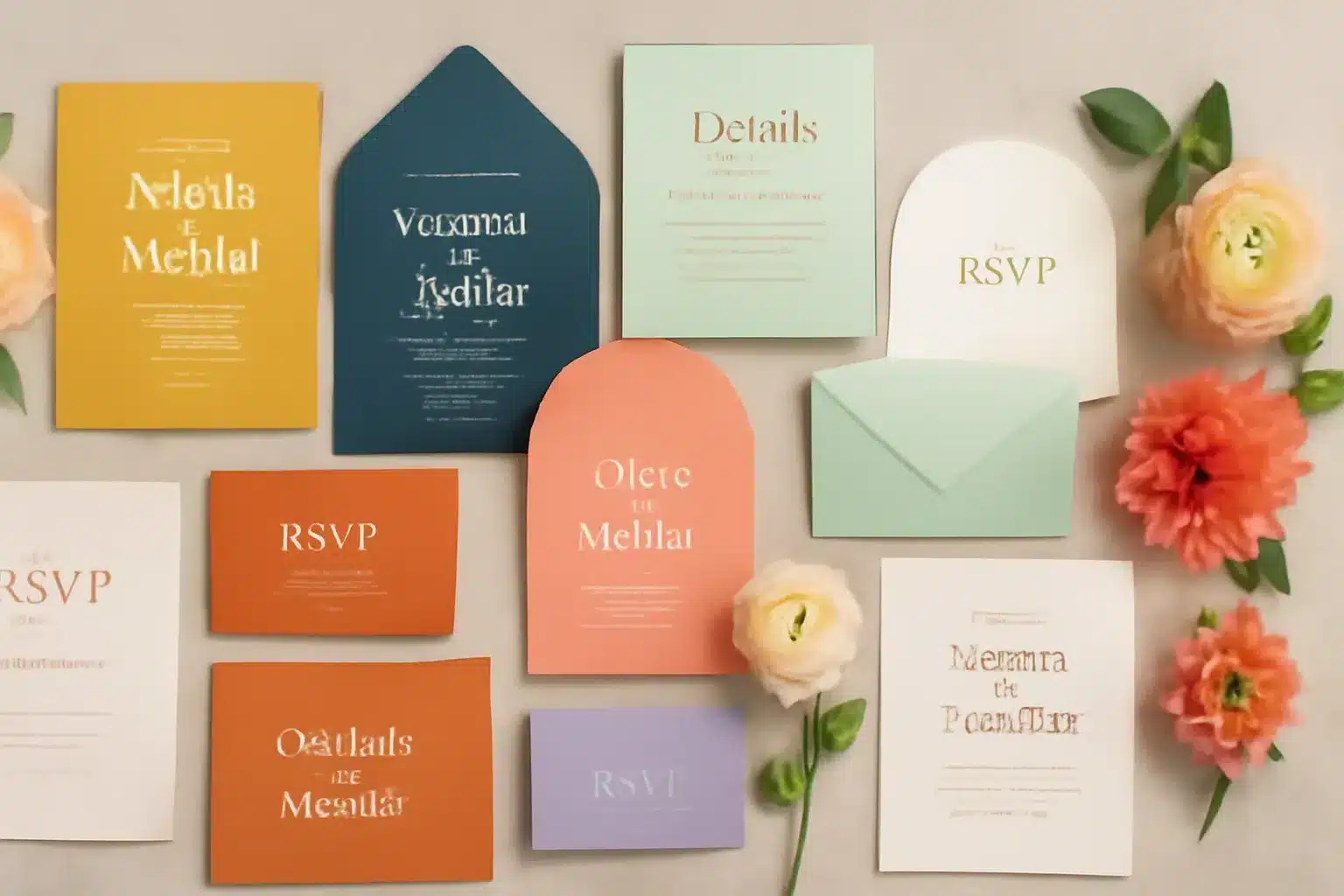
What is Included in Wedding Stationery?
Wedding stationery is more than just a practical necessity; it is an essential part of setting the tone for your big day. It gives guests a first glimpse of the wedding theme, colors, and overall vibe. Whether elegant, rustic, modern, or vintage, your wedding stationery speaks volumes about the style and formality of your event. Well-designed stationery also makes your guests feel involved and appreciated, offering them a personal invitation to celebrate with you.

The Role of Stationery in Setting the Wedding Tone
From the moment you send out your save-the-date cards to when you thank guests for their attendance, every piece of wedding stationery plays a vital role in shaping the overall experience. It sets expectations and creates a cohesive narrative that reflects your vision for the wedding. When designed thoughtfully, your wedding stationery serves as a keepsake that your guests will cherish for years to come.
Essential Wedding Stationery Items
Wedding Invitations
The wedding invitation is the cornerstone of your wedding stationery suite. It provides your guests with all the key details—date, time, location, dress code, and any additional information they may need. Invitations come in many styles and formats, from traditional folded cards to modern, minimalistic designs. A well-crafted invitation ensures your guests are well-informed and excited about your wedding.
Save-the-Date Cards
Save-the-date cards are sent out months in advance, usually 6-8 months before the wedding. These cards inform guests of your wedding date, allowing them to mark their calendars ahead of time. Save-the-date cards are especially important if you are hosting a destination wedding or if your wedding is taking place during a busy season.
RSVP Cards
RSVP cards allow guests to confirm whether or not they’ll be attending the wedding. These cards typically include a response section for guests to indicate their attendance and meal choices. Some couples opt for digital RSVPs, but traditional printed RSVP cards remain popular for formal weddings.
Wedding Programs
A wedding program is a printed guide that details the flow of events during the ceremony and reception. It may include the names of the bridal party, order of events, and any readings or special rituals that will take place. Wedding programs are especially useful for guests who may not be familiar with the traditions you’re incorporating into your ceremony.
Menu Cards
Menu cards are placed on each table or at each guest setting. They allow guests to preview the meals they’ll be enjoying during the reception. This is a nice touch for couples who are serving multiple courses or offering various options. Menu cards also add an elegant and personal touch to the table setting.
Optional Wedding Stationery Items
Thank You Cards
Thank you cards are essential for expressing your appreciation to guests for their presence and gifts. These cards can be personalized to reflect your gratitude and love. Sending thank you cards within 3-6 months after the wedding is an expected gesture that adds a thoughtful, personal touch to your overall wedding experience.
Place Cards
Place cards are small cards that indicate where guests should sit during the reception. This personalizes the seating arrangement and can be a lovely addition to your tablescape. Place cards can be simple or more elaborate, depending on your wedding theme.
Table Numbers
Table numbers are used to guide guests to their assigned tables. These can be printed cards or more creative versions, such as custom signage or small decorative items. Table numbers can tie into the overall theme, with options ranging from elegant calligraphy to themed items based on your wedding style.
Bridal Shower and Bachelorette Party Invitations
In addition to the main wedding stationery, bridal shower and bachelorette party invitations are also part of the pre-wedding festivities. These invitations should match the theme and style of the wedding to maintain a consistent tone throughout the celebrations.
Choosing the Right Design for Your Wedding Stationery
Matching Stationery to Wedding Theme
Your wedding stationery should reflect the overall theme of your wedding. Whether you’re having a formal black-tie affair, a rustic barn wedding, or a beach celebration, the design of your stationery will set the tone. The use of colors, patterns, and fonts should complement your venue and the atmosphere you want to create.
Choosing Colors, Fonts, and Paper Types
Selecting the right color palette, fonts, and paper texture is crucial. For instance, bold, modern fonts and glossy paper may suit a contemporary wedding, while elegant script and textured paper are ideal for classic or vintage weddings. Discuss these elements with your stationery designer to ensure your invitations and other stationery align with your vision.
When to Send Your Wedding Stationery
Timing for Save-the-Date Cards
Save-the-date cards should typically be sent out 6-8 months before the wedding. For destination weddings, sending them even earlier—10-12 months ahead—gives your guests ample time to plan their travel arrangements.
Wedding Invitation Timeline
Wedding invitations should be mailed out 6-8 weeks before the wedding date. This gives your guests time to RSVP, make travel plans if necessary, and prepare for your special day. Be sure to include an RSVP deadline to help with planning.
Post-Wedding Thank You Notes
Thank you cards should be sent out within 3-6 months of the wedding. They should be personalized, mentioning specific gifts or moments shared during the celebration to make your guests feel truly appreciated.
How to Personalize Your Wedding Stationery
Adding Custom Details
Personalization is one of the best ways to make your wedding stationery unique. Custom details like monograms, photos, or a custom-designed logo can enhance the personal touch. You can also incorporate details from your wedding location or cultural traditions, making your stationery a true reflection of your story.
Working with a Designer vs DIY Options
While DIY wedding stationery options can be cost-effective, working with a professional designer ensures you get a polished, cohesive look. If you decide to go the DIY route, there are many online platforms that offer templates and customizable options, allowing you to add personal touches while staying within your budget.
Budgeting for Wedding Stationery
Factors Affecting the Cost of Wedding Stationery
The cost of wedding stationery varies based on factors such as paper type, design complexity, printing method, and the quantity of invitations required. Handmade or custom-designed invitations tend to be more expensive, while digital designs or pre-made templates can be more affordable.
Tips for Saving on Stationery Without Sacrificing Quality
To save money on wedding stationery, consider choosing less expensive paper types or reducing the number of items you need. For example, opting for digital RSVPs or combining the wedding program with the menu can reduce costs. Planning early can also help you avoid last-minute price hikes.
Conclusion
Final Thoughts on Wedding Stationery Essentials
Wedding stationery plays a crucial role in your celebration, from setting the tone to providing essential information for your guests. Whether you choose a traditional approach or something more modern, ensuring your stationery is cohesive and thoughtfully designed will make a lasting impression on your guests.
Creating Lasting Memories Through Your Stationery
Your wedding stationery serves as a beautiful keepsake that captures the essence of your wedding day. Thoughtful, personalized designs can help create unforgettable memories, allowing you and your guests to cherish the celebration for years to come.