

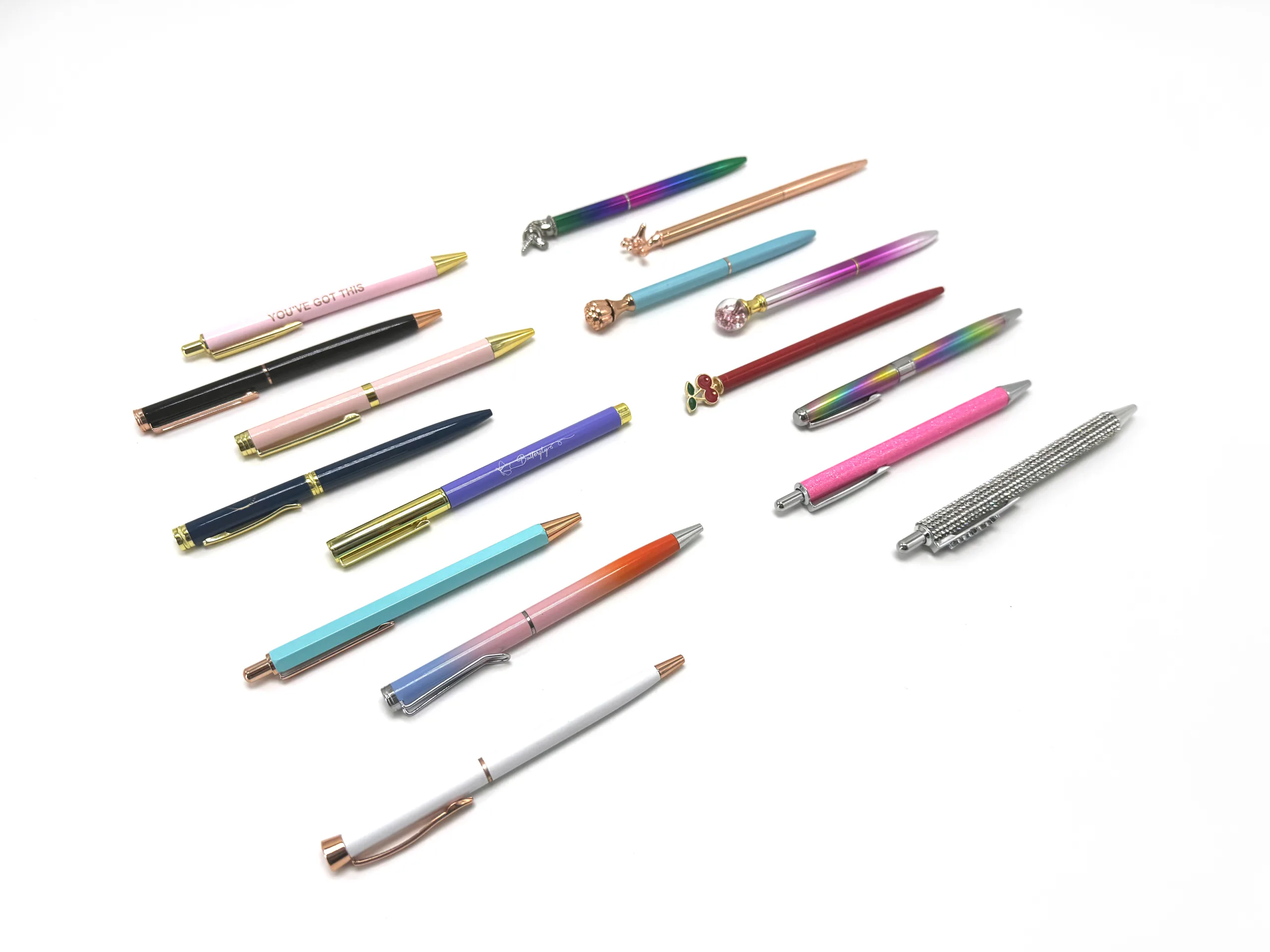
What is a Ballpoint Pen? Benefits, History, and Uses
Introduction: Why the Ballpoint Pen Matters
The ballpoint pen is one of the most widely used writing instruments in the world. Despite the rise of digital technology, ballpoint pens remain essential in education, business, and daily life. From signing important documents to jotting down quick notes, the ballpoint pen offers reliability, convenience, and affordability. But what exactly is a ballpoint pen, and why has it become such a universal tool?

What is a Ballpoint Pen?
A ballpoint pen is a writing instrument that uses a small rotating ball, usually made of brass, steel, or tungsten carbide, to transfer quick-drying ink onto paper. The ball rotates as the pen moves, distributing ink evenly and preventing smudging.
The History of the Ballpoint Pen
Early Writing Tools
Before the ballpoint pen, people relied on quills, dip pens, and fountain pens. These tools were effective but often messy, requiring frequent refills and prone to ink smudges.
The Invention of the Ballpoint Pen
The modern ballpoint pen was patented in 1938 by Hungarian journalist László Bíró, who was frustrated with the smudging caused by fountain pens. Together with his brother György, a chemist, he developed a viscous ink formula that worked with a ballpoint mechanism.
Global Commercial Success
The breakthrough came when Biro pens were used by the Royal Air Force during World War II because they worked reliably at high altitudes. In 1945, American businessman Milton Reynolds introduced the ballpoint pen to the U.S. market, where it quickly became a commercial success. Since then, major brands like Bic, Parker, and Montblanc have refined the design.
How Does a Ballpoint Pen Work?
A ballpoint pen works through a tiny ball bearing mechanism at its tip:
- As the user writes, the ball rotates.
- The ball picks up ink from the ink reservoir.
- The ball transfers ink onto the paper in a controlled manner.
Types of Ballpoint Pens
Disposable vs. Refillable
Disposable ballpoint pens are inexpensive and intended for one-time use, while refillable pens allow ink cartridge replacement, reducing waste and offering long-term value.
Luxury Ballpoint Pens
High-end brands such as Montblanc and Parker offer ballpoint pens made from premium materials, appealing to collectors and professionals who view pens as status symbols.
Eco-Friendly Innovations
With growing awareness of sustainability, some manufacturers now produce biodegradable pens, recycled plastic pens, and refill systems to reduce environmental impact.
Advantages of Ballpoint Pens
- Durability: Long-lasting ink supply.
- Convenience: Ready to use anytime without priming.
- Low Maintenance: No ink leaks or constant refills.
- Affordability: Wide price range, accessible for everyone.
- Versatility: Works on most paper types and in different environments.
Disadvantages and Limitations
- Less Smooth Writing: Compared to fountain or gel pens.
- Pressure Required: Writing requires more hand pressure.
- Limited Color Range: Fewer vibrant ink options compared to gel pens.
- Environmental Impact: Disposable pens contribute to plastic waste.
The Ballpoint Pen in Everyday Life
From signing legal contracts to doodling during meetings, ballpoint pens play a role in countless scenarios. Students use them in classrooms, doctors rely on them for prescriptions, and businesses depend on them for quick signatures. Despite smartphones and tablets, the pen continues to hold cultural and practical value.
Ballpoint Pens vs. Other Writing Instruments
Fountain Pens
Smooth ink flow but require maintenance. More expensive and less convenient.
Rollerball Pens
Use water-based ink for smoother writing but tend to smudge more easily.
Gel Pens
Offer vibrant colors and smooth writing but run out of ink faster than ballpoint pens.
Modern Innovations and Sustainability
The pen industry is adapting to modern needs: smart pens that digitize handwriting, recyclable and biodegradable designs, and ergonomic pens for comfort. These innovations ensure the ballpoint pen remains relevant in the 21st century.
FAQ:
- Who invented the ballpoint pen? — It was invented by László Bíró in 1938.
- Why is it called a ballpoint pen? — Because it uses a tiny rotating ball at the tip to distribute ink.
- How long does a ballpoint pen last? — A disposable ballpoint pen can write up to 2 kilometers of lines before running out of ink.
- Are ballpoint pens eco-friendly? — Disposable pens are not, but refillable and biodegradable versions are.
- What’s the difference between a ballpoint and a gel pen? — Ballpoints use oil-based ink, while gel pens use water-based ink for smoother writing and brighter colors.
Conclusion
The ballpoint pen is more than just a writing tool—it is a cultural icon and a technological innovation that shaped the way humans communicate. With its practicality, durability, and widespread availability, it remains the most popular writing instrument in the world. As manufacturers explore sustainable solutions, the ballpoint pen will likely continue to evolve while keeping its place as a timeless everyday essential.