

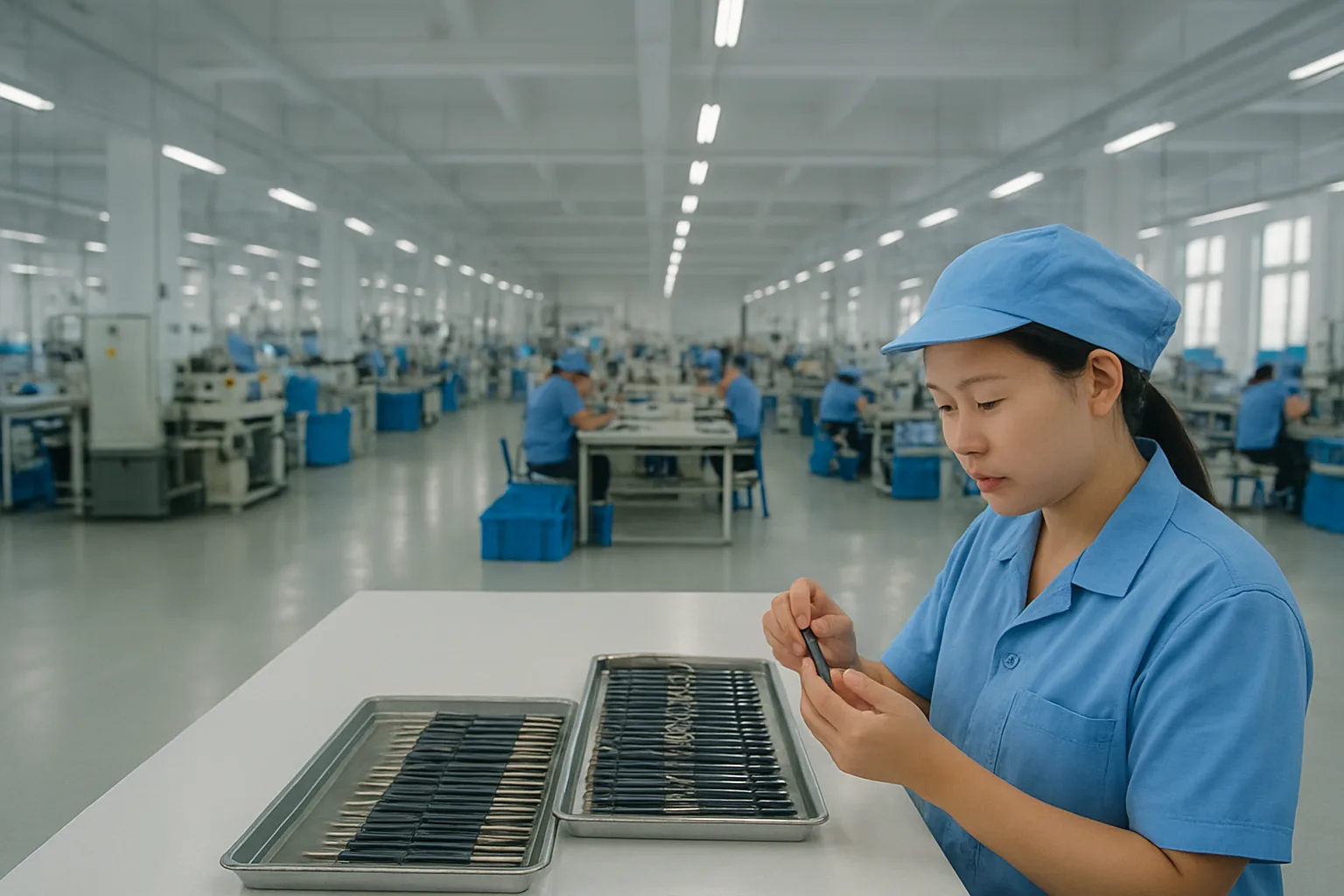
Why is China the World’s Largest Stationery Manufacturer?
Introduction: The Global Dominance of China’s Stationery Industry
Walk into any classroom, office, or art studio around the world, and chances are high that the pens, notebooks, and rulers you find were made in China. Over the past three decades, China has become the world’s largest الشركة المصنعة للقرطاسية, producing over 70% of the global supply. From affordable pencils to high-end smart stationery, Chinese companies dominate every category imaginable.
But how did this transformation happen? Why is China able to produce stationery at such an extraordinary scale, quality, and cost efficiency? The answer lies in a combination of history, innovation, labor dynamics, and strategic government support.
This article explores the evolution of China’s stationery industry, the reasons behind its success, the challenges it faces, and what the future holds for this billion-dollar global powerhouse.
Historical Evolution of China’s Stationery Manufacturing
Ancient Roots of Chinese Stationery
China’s stationery story begins over two thousand years ago. The “Four Treasures of the Study”—the brush, ink, paper, and inkstone—symbolized education, art, and scholarship in ancient Chinese culture. The invention of paper by Cai Lun during the Han Dynasty revolutionized not only writing but global civilization itself.
This deep cultural appreciation for writing tools laid the groundwork for the craftsmanship and respect that continue to influence Chinese stationery today.
Transition to Industrialization
By the late 20th century, China began transitioning from traditional craftsmanship to industrial production. As part of its economic reforms in the 1980s and 1990s, factories emerged in provinces like Zhejiang and Guangdong. They specialized in exporting bulk stationery to markets such as the United States, Japan, and Europe.
Low labor costs, strong supply chains, and rising global demand turned China from a regional producer into the world’s stationery factory.
Key Factors Behind China’s Manufacturing Supremacy
1. Abundant Raw Materials and Efficient Supply Chains
China’s stationery manufacturing benefits from easy access to essential raw materials: paper pulp, plastics, ink, and metals. Domestic industries provide continuous supply at low cost, while extensive logistics networks ensure efficient transportation between suppliers and factories.
إن integration of supply chains means that every component—from pen barrels to ink refills—can be sourced locally. This drastically reduces production costs and delivery times.
2. Skilled and Cost-Effective Labor Force
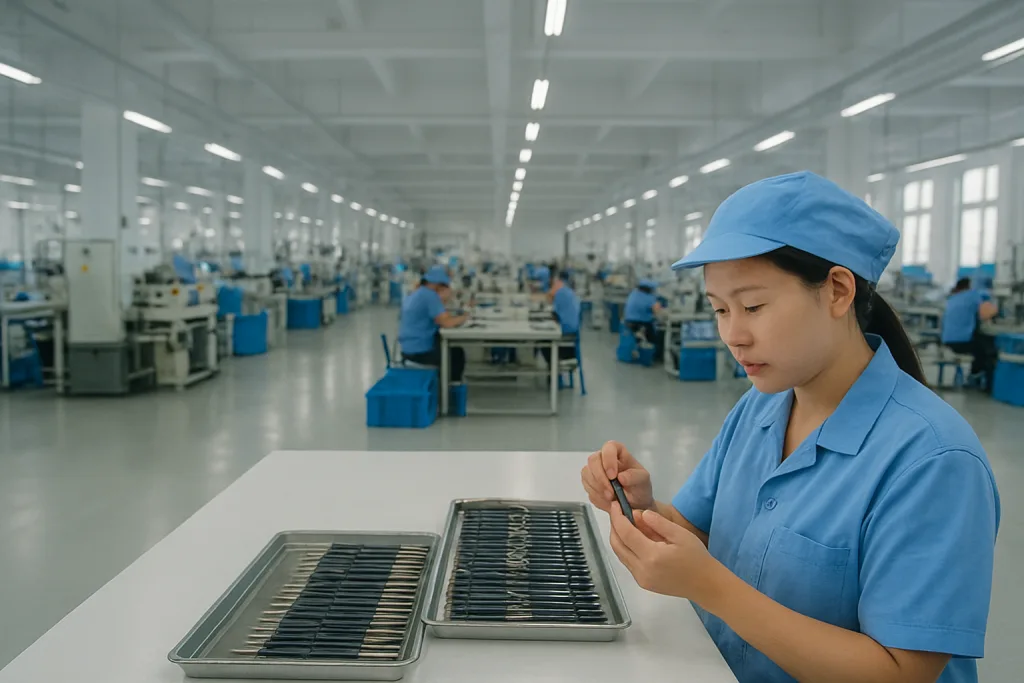
Another major advantage lies in China’s massive, skilled workforce. Workers in regions like Yiwu and Ningbo have decades of specialized experience in assembling pens, cutting paper, and packaging products.
Even though wages have increased, China still maintains a cost advantage due to its high productivity per worker و advanced labor management systems.
3. Advanced Manufacturing Technology and Automation
Over the past decade, China’s stationery factories have adopted robotic arms, computer-aided design (CAD), and AI-driven production lines. These innovations reduce human error, increase consistency, and allow for mass customization.
The combination of human expertise and smart automation has turned Chinese stationery into both affordable and high-quality products.
4. Strong Government Policies and Industrial Clusters
The Chinese government actively supports manufacturing clusters through tax incentives, export zones, and infrastructure projects. The establishment of “Stationery Industrial Parks” in cities like Yiwu and Wenzhou encourages collaboration between manufacturers, suppliers, and exporters.
These clusters create economies of scale and foster rapid innovation.
5. Strategic Export Network and Global Partnerships
China’s geographic position and state-of-the-art ports such as Shanghai and Ningbo make exporting seamless. The country’s close ties with international buyers through trade fairs, e-commerce, and OEM partnerships have further strengthened its global reach.
The Major Stationery Manufacturing Hubs in China
Yiwu: The Stationery Capital of the World
Yiwu, located in Zhejiang Province, is often called the “World’s Largest Small Commodities Market.” It houses more than 10,000 stationery suppliers, exporting billions of dollars’ worth of goods annually. The Yiwu International Trade City serves as a hub for global buyers seeking wholesale stationery at unbeatable prices.
Ningbo, Dongguan, and Wenzhou: The Powerhouses
While Yiwu focuses on small goods and exports, cities like Ningbo و Dongguan excel in manufacturing high-end stationery for international brands. Wenzhou is known for its notebook production and creative stationery design.
Ningbo, in particular, has become a center for premium stationery innovation, home to several influential companies such as شركة نينغبو شينغيي للمنتجات الثقافية المحدودة., the proud owner of the قرطاسية "شايني يو brand—renowned for its elegant design, eco-friendly materials, and global export excellence.
Product Diversity: From Basic Tools to Smart Stationery
Traditional Stationery: Pens, Notebooks, and Art Supplies
China produces a stunning variety of traditional stationery—ballpoint pens, gel pens, markers, rulers, staplers, and more. Many factories produce for both domestic and export markets, with quality control ensuring global standards.
Digital and Smart Stationery Innovations
Today, innovation drives a new wave of products such as smart notebooks, erasable pens, and digital styluses. Companies like قرطاسية "شايني يو are investing in eco-friendly materials and intelligent product design to meet the needs of modern consumers who value sustainability and convenience.
These innovations showcase how Chinese manufacturers are combining creativity, craftsmanship, and technology to redefine what stationery means in the digital age.
China’s Role in Global Stationery Supply Chains
OEM and ODM Manufacturing for Global Brands
Many of the stationery products sold under well-known Western or Japanese brands—such as Pilot, Faber-Castell, and Bic—are actually produced by Chinese OEM or ODM factories.
قرطاسية "شايني يو, for example, has established long-term OEM partnerships with international clients, offering tailor-made stationery solutions that blend aesthetic appeal with superior quality.
Trade Routes and Export Volume
According to trade reports, China exports stationery to over 190 countries, with major markets including the United States, Japan, Germany, and the Middle East. Export value continues to rise annually, supported by low shipping costs and reliable logistics.
Challenges Facing China’s Stationery Industry
Environmental Concerns and Sustainable Practices
The stationery industry relies heavily on materials like plastic, paper, and metal, which have significant environmental impacts. In response, companies such as شركة نينغبو شينغيي للمنتجات الثقافية المحدودة. are leading the way in eco-friendly manufacturing, developing biodegradable pens, recyclable notebooks, and packaging made from renewable resources.
These initiatives align with China’s “Green Manufacturing Plan 2030”, ensuring the future of stationery production remains both profitable and sustainable.
Rising Labor Costs and Automation Shifts
With labor costs climbing, automation is the solution. Many leading brands, including قرطاسية "شايني يو, are integrating smart machinery and AI-based production systems to enhance efficiency, maintain consistency, and ensure competitive pricing.
Competition from Emerging Markets
Countries like Vietnam, India, and Indonesia are growing as manufacturing alternatives. However, China maintains its edge through technological advancement, global reliability, and decades of production expertise.
How Chinese Manufacturers Maintain Quality and Innovation
ISO Certifications and International Standards
Top stationery producers such as قرطاسية "شايني يو operate under ISO 9001 and ISO 14001 standards, ensuring high-quality production and environmentally responsible operations. These certifications reinforce the trust of global buyers who value consistent excellence.
Research and Development Investments
R&D has become a cornerstone of Chinese stationery. قرطاسية "شايني يو invests continuously in product design, ergonomic engineering, and sustainable materials, creating writing instruments that are not only functional but also inspiring to use.
Impact of E-Commerce on China’s Stationery Exports
Digital trade platforms like Alibaba, JD.com, and Made-in-China.com have revolutionized stationery exports. Through its online presence, قرطاسية "شايني يو connects directly with global buyers, offering customizable and high-quality products through a smooth digital procurement process.
The integration of e-commerce ensures faster turnaround, flexible orders, and improved communication between manufacturers and international clients.
The Future of China’s Stationery Manufacturing Industry
1. Embracing Eco-Friendly Innovation
The future of China’s stationery lies in sustainability. Brands like قرطاسية "شايني يو are pioneering biodegradable pens, eco-friendly packaging, and refillable notebooks that minimize environmental impact.
2. Integration of AI and Smart Technologies
China is at the forefront of the smart stationery revolution—from handwriting recognition pens to digital sketchpads. Forward-thinking companies are merging technology and creativity to stay ahead in a digital world.
3. Building Global Brands
The shift from OEM to global branding is accelerating. قرطاسية "شايني يو, with its dedication to craftsmanship and sustainability, is expanding its footprint worldwide, aiming to become a recognized name synonymous with “Elegant Writing, Sustainable Living.”
FAQs about China’s Stationery Manufacturing Industry
1. What makes China the largest stationery manufacturer in the world?
China’s dominance stems from its integrated supply chains, cost efficiency, skilled labor, and advanced technology. Combined with supportive government policies and global export infrastructure, these factors give China an unmatched manufacturing advantage.
2. Which Chinese city is most famous for stationery production?
Yiwu in Zhejiang Province is widely known as the world’s stationery capital, home to thousands of manufacturers and wholesalers that export billions of products annually.
3. Are Chinese stationery products environmentally friendly?
Increasingly, yes. Many factories now use FSC-certified paper, biodegradable materials, and soy-based inks, aligning with global sustainability trends.
4. How do Chinese stationery manufacturers ensure product quality?
They follow strict international standards such as آيزو 9001, EN71و ASTM, and conduct rigorous testing for durability, safety, and performance.
5. Who are the top stationery companies in China?
Leading names include Deli Group, M&G Stationery, Beifa Group, and Comix, all known for innovation, quality, and large-scale exports.
6. What does the future hold for China’s stationery industry?
The future is bright, focusing on eco-friendly production, digital integration, and global brand expansion. As China adapts to global sustainability goals, it will continue to shape the evolution of stationery worldwide.
Conclusion: China’s Continuing Legacy in the Stationery World
From the ancient ink brush to today’s smart pens, China’s stationery journey reflects heritage, innovation, and adaptability. It is not only the world’s largest stationery manufacturer but also its most dynamic innovator.
Among the leaders shaping this future is قرطاسية "شايني يو, a brand under شركة نينغبو شينغيي للمنتجات الثقافية المحدودة., committed to delivering high-quality, sustainable, and beautifully designed stationery to clients worldwide.
With advanced manufacturing, a passionate design team, and a dedication to environmental responsibility, قرطاسية "شايني يو continues to inspire creativity across classrooms, offices, and studios globally.