

Dominar el arte de los rotuladores: Guía completa de tipos, usos y técnicas
Introducción
In the world of art and crafts, precision and versatility are paramount. Paint pens have emerged as indispensable tools, offering artists and crafters the ability to work with the precision of a pen and the vibrancy of paint. Whether you’re a seasoned artist or a DIY enthusiast, understanding the different types of paint pens and their applications can elevate your creative projects. You can also explore our Ultimate Guide to Paper Weight and Thickness to help you choose the right surface for your paint pens.
1. Understanding Paint Pens
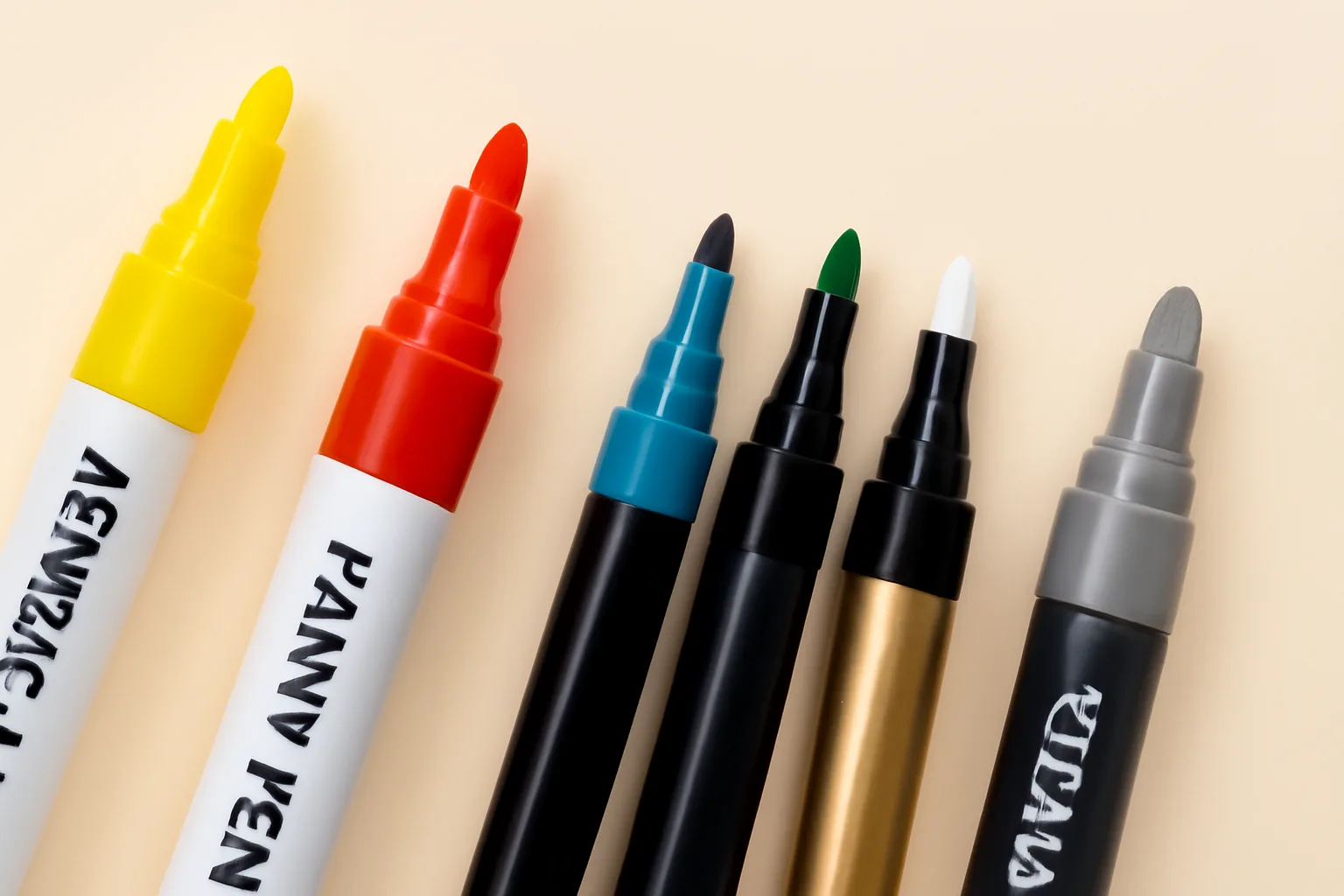
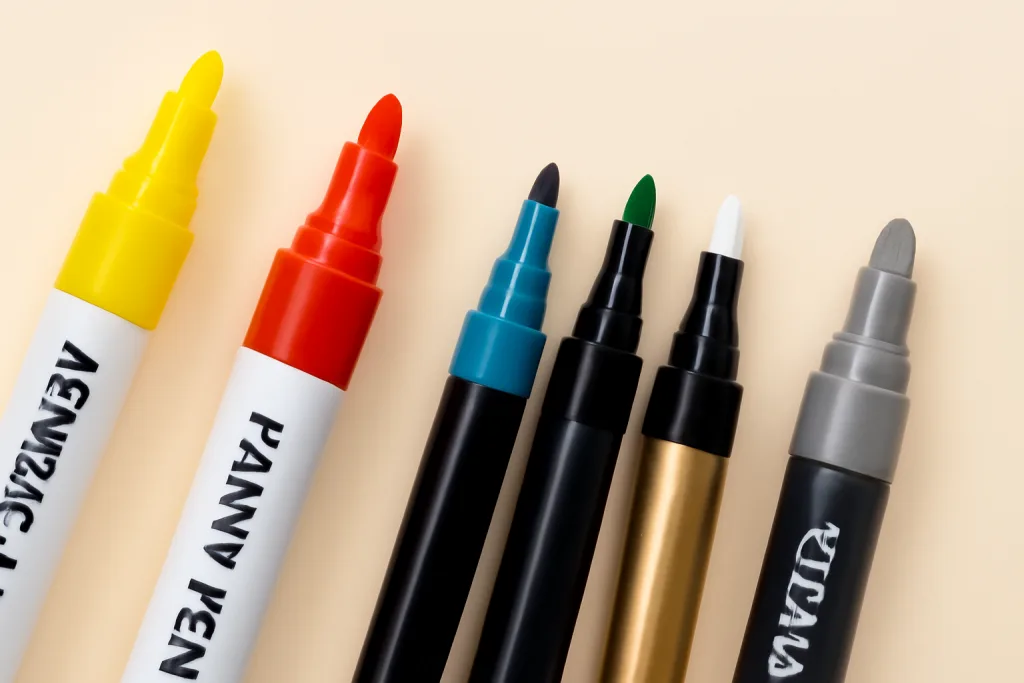
Paint pens are specialized markers filled with paint, designed to provide opaque, vibrant color on various surfaces. Unlike traditional markers that use ink, paint pens utilize either acrylic or oil-based paints, allowing for bold and lasting results.
Key Components:
- Tip: Available in various shapes and sizes, including fine, medium, broad, chisel, and brush tips, each suited for different applications.
- Body: Typically made of plastic or aluminum, designed for easy handling.
- Paint Reservoir: Holds the paint, often requiring shaking before use to mix the pigment.
2. Types of Paint Pens
Acrylic Paint Pens:
- Composición: Water-based acrylic paint.
- Features: Quick-drying, water-resistant, and suitable for indoor projects.
- Best For: Paper, canvas, wood, and other porous surfaces.
Oil-Based Paint Pens:
- Composición: Oil-based paint.
- Features: Durable, waterproof, and suitable for both indoor and outdoor use.
- Best For: Metal, plastic, glass, and other non-porous surfaces.
Chalk Markers:
- Composición: Water-based chalk-like paint.
- Features: Erasable on non-porous surfaces, ideal for temporary designs.
- Best For: Chalkboards, glass, and plastic surfaces.
Fabric Paint Pens:
- Composición: Specially formulated paint for textiles.
- Features: Flexible and washable once dry.
- Best For: Clothing, bags, and other fabric items.
Metallic Paint Pens:
- Composición: Paint with metallic pigments.
- Features: Shiny finish, great for details and accents.
- Best For: Scrapbooking, decorative projects, and highlighting details.
3. Comparing Paint Pens and Markers
While often used interchangeably, paint pens and markers have distinct differences:
| Característica | Paint Pens | Marcadores |
|---|---|---|
| Ink Composition | Paint (acrylic/oil-based) | Ink (water-based/alcohol-based) |
| Compatibilidad de superficies | Porous and non-porous surfaces | Primarily paper |
| Durabilidad | Long-lasting, resistant to fading | May fade over time |
| Opacity | Opaque | Semi-transparent |
| Tiempo de secado | Varies (oil-based slower) | Quick |
Paint pens offer superior opacity and durability, making them suitable for a wider range of surfaces and applications. For more about markers, you can read our article on Note-Taking Types where we explore different ways to use markers effectively in your projects.
4. Choosing the Right Paint Pen
When selecting a paint pen, consider the following factors:
- Surface: Ensure the paint pen is compatible with the material you’re working on.
- Tip Size: Choose a tip size that matches the level of detail required for your project.
- Paint Type: Decide between acrylic and oil-based paints based on your project’s needs.
- Color Selection: Opt for a color palette that complements your design.
- Drying Time: Consider the drying time, especially if you need to layer colors.
5. Techniques for Using Paint Pens
To achieve the best results with paint pens:
- Shake Well: Before use, shake the pen to mix the paint.
- Test First: Always test the pen on a scrap piece of the same material.
- Layering: Allow each layer to dry before applying the next to prevent smudging.
- Cleaning: Keep the tip clean to ensure consistent paint flow.
- Sealing: Consider sealing your work with a clear acrylic sealer for added durability.
6. Applications of Paint Pens
Paint pens are versatile tools used in various creative projects:
- Rock Painting: Create intricate designs on stones for decorative or gifting purposes.
- DIY Crafts: Personalize items like mugs, coasters, and ornaments.
- Home Decor: Add custom designs to furniture, frames, and other home accessories.
- Fashion: Design unique patterns on clothing and accessories.
- Signage: Produce bold, visible signs for events or businesses.
Check out our Top Certifications for the most trusted tools and materials in your craftwork.
7. Safety and Maintenance
- Ventilation: Use paint pens in well-ventilated areas, especially oil-based ones.
- Storage: Store pens horizontally to prevent the paint from settling.
- Cap Securely: Always replace the cap tightly to prevent the tip from drying out.
- Cleaning: Clean the tip with a damp cloth if paint buildup occurs.
8. Conclusión
Paint pens are invaluable tools for artists and crafters, offering precision and versatility across various surfaces and projects. By understanding the different types available and their specific applications, you can select the right paint pen to bring your creative visions to life. Whether you’re personalizing a gift or creating a masterpiece, paint pens provide the means to add vibrant, lasting color to your work. Don’t forget to explore more tips and tools for your creative endeavors with our Complete Guide to Notebook Paper Types for more crafting ideas.