

From Sketch to Watercolor: The Ultimate Guide to Using Watercolor Pencils
Aquarelpotloden are a versatile and dynamic medium that combines the precision of potloden with the fluidity of watercolor paints. They allow for great control and detail in artwork, and when combined with water, they transform into a beautiful watercolor wash. Whether you’re a beginner or an experienced artist, learning how to use watercolor pencils opens up new creative possibilities. This article will guide you through the basics of using watercolor pencils, explore different techniques, and provide tips on how to get the most out of them in your artistic endeavors.
What Are Watercolor Pencils?
Watercolor pencils are similar to traditional kleurpotloden, but they contain water-soluble pigments. This means that they can be used dry, just like a regular pencil, or activated with water to create a watercolor effect. The beauty of watercolor pencils is that they offer the best of both worlds: the control and precision of drawing with pencils, combined with the fluid, blended look of watercolors when water is applied.
Materials Needed
To get started with watercolor pencils, you will need a few basic supplies. While the tools required for working with watercolor pencils are relatively minimal, having the right materials will make your experience much smoother.
- Watercolor Pencils: Choose a good-quality set of watercolor pencils. Many artists recommend sets from brands such as Faber-Castell, Prismacolor, or Caran d’Ache.
- Paper: Watercolor paper or any thick, high-quality paper designed to handle water-based media is ideal. Regular drawing paper might not hold up well to the water, causing it to warp or tear.
- Water: You’ll need a water source to activate the pencils. A small container of clean water is sufficient.
- Brushes: A soft, round watercolor brush is essential for applying water to the pencil marks and blending them. A range of brush sizes will give you more control.
- Paper Towels: Keep paper towels handy to blot excess water or clean your brush when switching between colors.
Basic Techniques for Using Watercolor Pencils
1. Dry Pencil Drawing
Using watercolor pencils dry is just like using regular colored pencils. You can create detailed drawings, fine lines, and shading with the pencil itself. This method is great for creating precise outlines, textures, or intricate designs.
2. Wet-on-Dry Technique
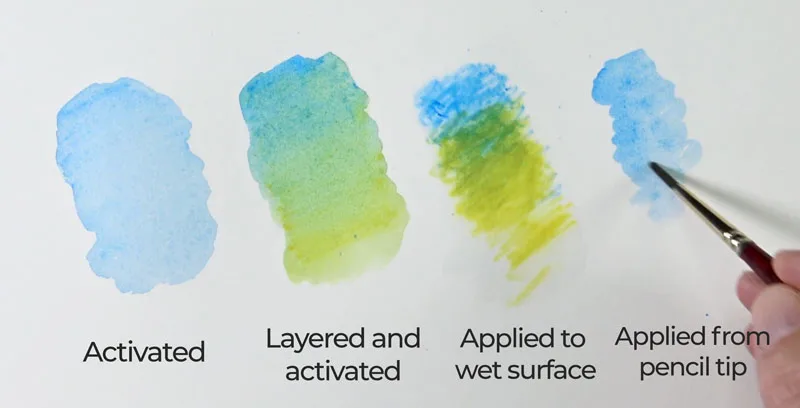
The wet-on-dry technique involves applying the watercolor pencil dry to the paper and then using a wet brush to activate the pigment. This technique allows for more control over the amount of water and pigment you use, giving you a variety of effects.
3. Wet-on-Wet Technique
The wet-on-wet technique involves applying water directly to the paper before drawing with your watercolor pencils. This creates a more fluid, blended effect as the pigments dissolve and spread across the wet surface.
4. Creating Washes and Gradients
One of the most powerful aspects of watercolor pencils is their ability to create smooth, even washes and gradients. By applying more or less water to the pigment, you can achieve various levels of intensity in your work.
Tips for Mastering Watercolor Pencils
1. Layering Colors
Layering colors is a fantastic way to build depth and richness in your artwork. Watercolor pencils can be layered to create more complex colors and effects. Start with light layers and gradually build up to darker, more saturated hues.
2. Use a Colorless Blender
A colorless blender is a tool that helps to smooth out and blend the pencil marks. It can be used with watercolor pencils to create seamless transitions between colors, giving your artwork a more polished look.
3. Experiment with Different Water Quantities
Experiment with the amount of water you use when activating your pencils. By adjusting the water, you can control the intensity and texture of the colors.
4. Create Textures
Watercolor pencils can also be used to create interesting textures in your artwork. You can create texture by using the pencils dry for rough, scratchy effects, or by manipulating the water to add different levels of fluidity.
5. Experiment with Other Mediums
While watercolor pencils are fantastic on their own, they also pair well with other mediums. You can combine them with regular colored pencils, ink, or watercolor paints to achieve more complex effects. Experiment with combining different tools to see how they interact and bring your art to the next level.
Veelvoorkomende fouten die je moet vermijden
1. Using the Wrong Paper
Using the wrong paper for watercolor pencils can result in poor results. Regular drawing paper is not designed to handle water, and your colors may not blend properly.
2. Overusing Water
While it’s tempting to add water to every stroke, using too much water can dilute the pigment and result in a washed-out effect. Always use water sparingly and build up color gradually.
3. Not Letting Layers Dry Properly
When layering with watercolor pencils, it’s important to let each layer dry properly before adding more. If you don’t, you may end up with muddy colors that are hard to fix.
Conclusie
Watercolor pencils are an exciting medium that allows for great creativity and flexibility. Whether you’re working on fine details, vibrant washes, or delicate gradients, watercolor pencils provide the control and versatility to bring your artistic vision to life. By understanding the basic techniques and experimenting with different methods, you’ll be able to master this medium and create stunning artwork. With a little practice, you’ll discover the unique beauty that watercolor pencils can bring to your projects.